Across the world, rivers are under pressure from expanding farmland and urban development that push right up to the water’s edge. This encroachment limits the natural movement of rivers and erases the fertile strips of land where water meets soil. Yet when rivers are given space to breathe, they not only support wildlife but also strengthen communities against climate challenges.
Reclaiming Riparian Zones
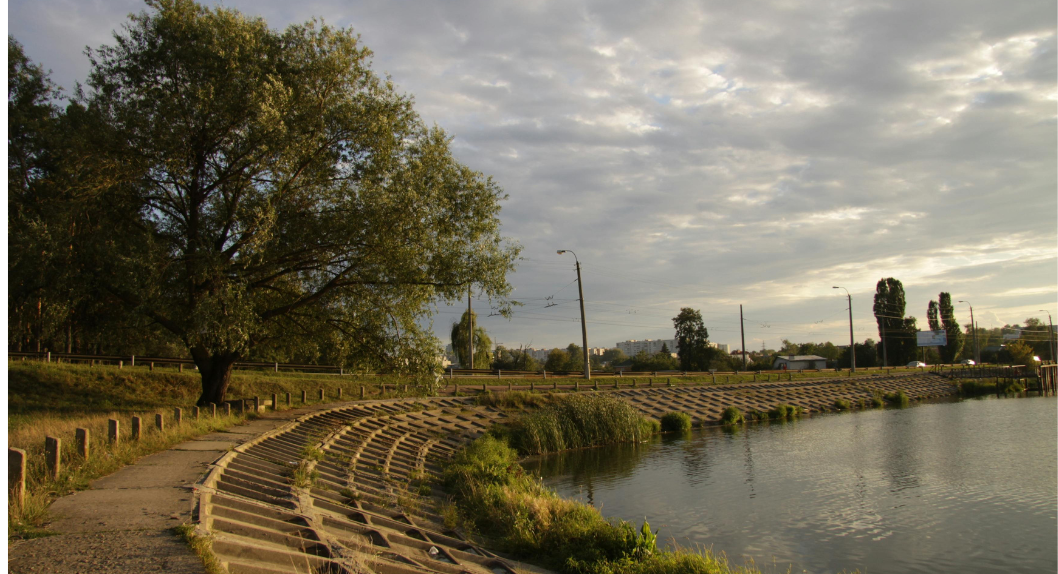
Experts emphasize that restoring riparian zones, the fertile margins along rivers, is fundamental. Even small changes, such as moving farmland boundaries back by 10–20 meters, allow rivers to expand naturally. Wet woodlands regenerate, birds return, and floodplains regain their ability to absorb water and sediment. These ribbons of life provide clean water, food security, and natural flood defense, while also building resilience to climate change.
Medellín’s Green Transformation
Colombia’s second‑largest city, Medellín, demonstrates how river restoration can reshape urban life. Through its award‑winning Green Corridors project, barren riverbanks have been revitalized with native trees, vertical gardens, and shaded walkways. The initiative has reduced urban heat, improved air quality, and created jobs for local gardeners. Beyond infrastructure, the project has reconnected residents with nature, turning rivers into the backbone of healthier, greener cities.
Local Wisdom in India
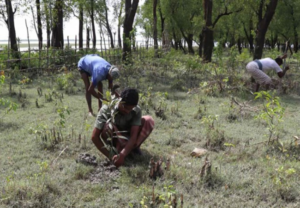
In India’s Kodagu district, river ecologists are working with indigenous communities to restore native plants along the Cauvery River. These efforts revive traditional agroforestry practices, create nurseries for native trees, and protect against floods and droughts. By involving local tribes, the restoration not only strengthens ecosystems but also empowers communities with food security and sustainable livelihoods.
Community Action in the UK
In London, the charity Thames21 engages thousands of volunteers to restore waterways. Projects like Firs Farm Wetland have transformed underground rivers into thriving community hubs. Wetland habitats slow stormwater, filter pollutants, and provide spaces where families gather, children explore, and residents reconnect with nature. Research shows that living near accessible rivers and blue spaces improves both physical and mental health, especially in disadvantaged areas.
Rivers as Pathways to Resilience
From Colombia to India to the UK, river restoration is proving to be more than an environmental project, it is a social and health initiative. By granting rivers the space to meander and flourish, communities gain cleaner air, stronger defenses against floods, and opportunities to reconnect with nature. Healthy rivers, it seems, are the foundation of healthier societies.
Credit with References: Click here